Norway return to a World Cup for the first time since 1998, an absence long enough that an entire footballing generation has grown up watching their country watch on. Ståle Solbakken, in his second spell as national coach since taking over in 2020, has finally converted abundant individual talent into a qualified squad, something predecessors with arguably thinner rosters could not manage. A FIFA ranking of 31 undersells a group whose ceiling is considerably higher, and Solbakken — pragmatic, organised, unsentimental — knows it. Expectations at home have shifted from hopeful participation to quiet belief that the knockout rounds are the minimum acceptable return.
Key players
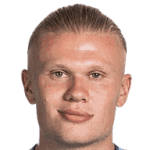
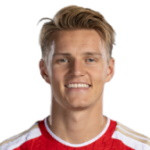
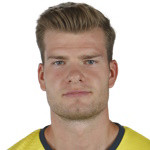
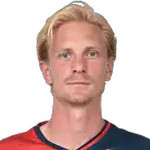
Erling Haaland is the obvious axis: 38 goals from 30.2 xG in 52 appearances for Manchester City, with 171 shots and 89 aerials won, the kind of volume that makes Norway's attack functional even when the build-up stalls. The creative load runs through an unusual source. Julian Ryerson, Borussia Dortmund's right-back, registered 19 assists and 28 big chances created in 42 games, alongside 57 tackles and 167 ball recoveries — a full-back who shapes attacks without abandoning the defensive brief. RB Leipzig's Antonio Nusa offers the wide threat, with 71 dribbles completed, 39 key passes and a balanced five goals and five assists across 35 outings, numbers that justify his place ahead of more experienced options. Behind them, Sander Berge anchors midfield with 65 tackles, 26 interceptions and 137 ball recoveries at Fulham, the kind of screening work that lets Ryerson push and Haaland stay high.
Predicted XI


Form going into the tournament
Solbakken's 4-2-3-1 is built around a clear premise: get the ball forward quickly to Haaland and Sørloth, and let Ødegaard find the seams behind them. The double pivot of Berge and Aursnes is what makes the shape viable, screening a back four that defends in a mid-block rather than chasing high — Norway press in triggers, not waves, conscious that Heggem and Ajer are more comfortable stepping than recovering. Ryerson's overlapping from right-back is the chief source of width, with Nusa drifting inside off the left. The contested call is the second pivot, where Aursnes' positional discipline is weighed against Patrick Berg's progression. The deeper concern is centre-back depth: behind the first-choice pair, Østigård is the only senior option, and a quick, mobile front line would test that block.
Team form
Group I opens against Iraq (FIFA 57) on 16 June, the kind of fixture Norway are expected to win and where a slow start would set an awkward tone. Senegal (14) a week later is the genuine pivot point — likely decisive for second place — before the closing meeting with France (1), where realism suggests damage limitation matters as much as the result. Assuming progression, the model projects a Round of 32 tie against Côte d'Ivoire (34) and then a probable collision course with Brazil (6) in the last 16, though actual opponents hinge on group placings and third-place permutations. Our predicted finish is the Round of 16: clearing the group cleanly would count as success, while exiting at the 32 stage would represent clear disappointment given the attacking resources available.
Country-form leaders












Club-form leaders



Group stage
Group fixtures