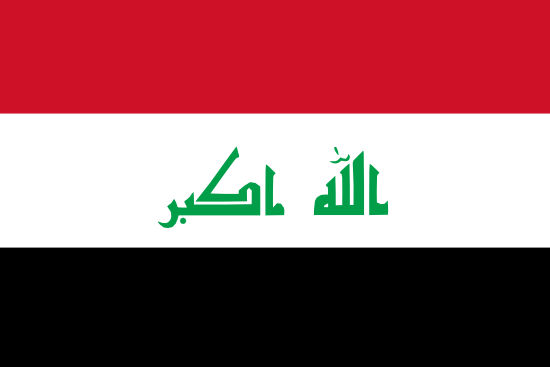
Iraq arrive at a World Cup for the first time since 1986, ending a forty-year wait that has shadowed every generation since Ammo Baba's side bowed out in Mexico. The federation's gamble is Graham Arnold, the Australian who steered the Socceroos to the round of sixteen in Qatar and was hired to compress decades of near-misses into a functioning tournament team. At 57th in the FIFA ranking, Iraq sit roughly where their continental pedigree suggests, well below their Group I opponents but no longer the regional curiosity of the 2000s. Arnold's brief is modest: be competitive, be organised, and don't make up the numbers.
Key players

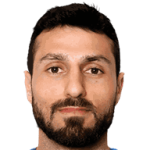
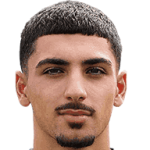
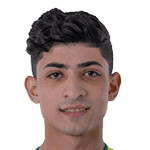
Merchas Doski is the most heavily-used member of this group, the Viktoria Plzeň left-back logging 2,659 minutes across 39 appearances with two assists, 31 key passes and 71 tackles — a genuine two-way fullback whose attacking output from deep matters when Iraq cede territory. Ahead of him, Kevin Yakob carries the goal threat from midfield: the AGF man has four goals from 3.3 xG in 25 games, with 37 shots and 16 key passes pointing to a player who arrives in the box rather than dictates from it. Alongside him, Aimar Sher offers the disruptive profile, the Sarpsborg midfielder posting 20 interceptions and 17 tackles in just nine league outings. Behind them in reserve, Amir Al-Ammari's numbers at Cracovia — four assists, 29 key passes, 44 tackles across 33 games — make him a useful alternative if Graham Arnold needs more control, though Sher and Yakob are the predicted pairing.
Predicted XI


Form going into the tournament
Arnold has settled on a 4-4-2 that leans heavily on compactness rather than sustained possession, with the two banks of four squeezing the middle third and the strike partnership of Aymen Hussein and Ali Al-Hamadi splitting duties between pressing the first pass and occupying centre-backs on direct balls. The midfield pairing of Kevin Yakob and Aimar Sher is asked to screen rather than dictate, with Merchas Doski providing the width and underlap on the left that the system otherwise lacks. Two questions linger. The left flank ahead of Doski is the thinnest area of the XI — Marko Farji is the nominal starter but Ali Jasim offers a more proven attacking profile — and the shape itself can be pulled apart centrally when the front two cannot hold, leaving Yakob and Sher exposed against three-man midfields.
Team form
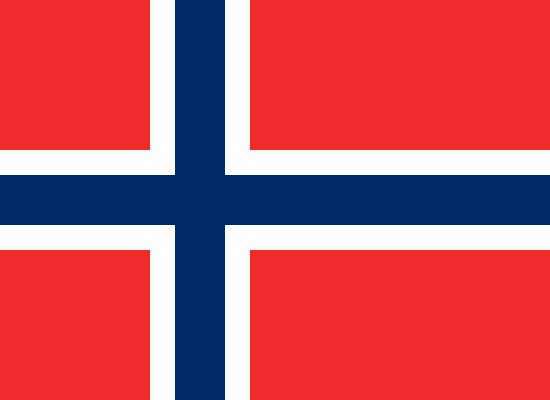
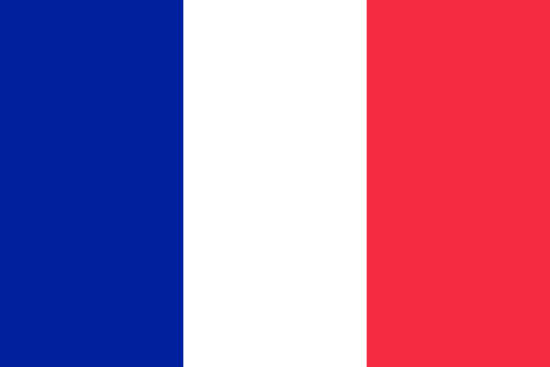
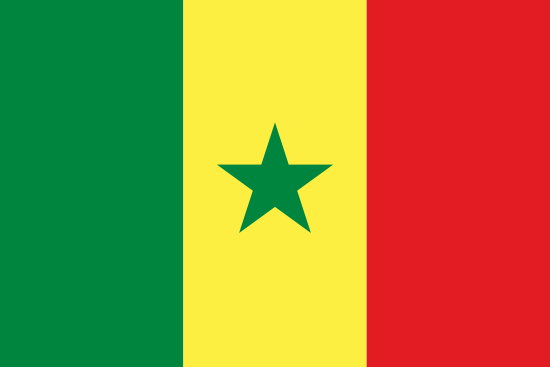
Iraq's group draw is unforgiving from the first whistle. The opener against Norway, ranked 31st, is the fixture that defines the tournament: a result there keeps everything alive, a defeat narrows the maths to almost nothing. Then comes the world's top-ranked side in France on 22 June, a match where containment rather than parity is the realistic ambition, followed by Senegal, ranked 14th, in a closer on 26 June that could double as a play-in for the third-place lottery. The model's call is the group stage, and with no projected knockout opponents to map, the path beyond depends entirely on stealing points from Norway or Senegal. Success looks like a competitive points tally and a final-matchday still mattering; disappointment is three defeats and an early flight home.
Country-form leaders









Club-form leaders








Group stage
Group fixtures