Sebastián Beccacece took the job in 2024 with a CV built largely in Argentine club football and a reputation for aggressive, structured pressing rather than glamour. He inherits a side ranked 23rd by FIFA, comfortably the highest perch Ecuador have occupied in years and a reflection of a generation that has matured into Europe's bigger leagues. This will be a fourth World Cup appearance, with the round of 16 in 2006 still the ceiling; qualification this cycle was navigated despite a points deduction, which colours the achievement. Expectations sit somewhere between quiet optimism and realism: knockout football is plausible, anything beyond it would surprise.
Key players
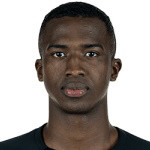

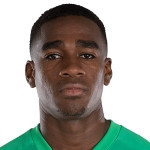
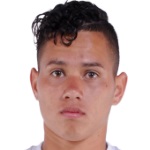
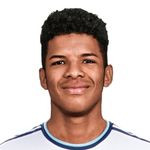
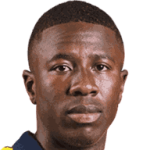
Ecuador's spine runs through Moisés Caicedo, and the Chelsea midfielder's numbers explain why opponents struggle to build through the middle: 126 tackles, 77 interceptions and 268 ball recoveries across 50 appearances, with five goals adding a flicker of threat from deep. Ahead of him, Nilson Angulo carries the creative burden from the left. The Sunderland winger produced seven goals and five assists in 36 games, with 6.3 xG, 58 key passes and 62 completed dribbles — a genuine one-against-one threat rather than a touchline decoration. At the back, Willian Pacho has graduated to Paris Saint-Germain and looks the part: 42 appearances, 74 tackles, 44 interceptions and 160 duels won, partnered by Arsenal's Piero Hincapié, whose 80 tackles and 15 key passes hint at a centre-back comfortable stepping into midfield. Joel Ordóñez, four goals from defence at Club Brugge, offers serious depth behind that pair rather than a starting claim.
Predicted XI


Form going into the tournament
Beccacece's 4-2-3-1 is built from the back, anchored by a double pivot in which Caicedo's ball-winning radius lets Jordy Alcívar drift wider to circulate possession and free the full-backs. Estupiñán's overlap is the primary source of width on the left, where Nilson Angulo cuts inside onto his stronger foot; the right side, with Preciado and Vite, is more functional than incisive. The back line sits in a mid-block rather than pressing aggressively, trusting Pacho and Hincapié to step into midfield and snuff out transitions before they form. Two questions linger. The No. 10 berth between Gonzalo Plata and Kendry Páez remains genuinely open, and Valencia, still the focal striker, has no like-for-like understudy in the squad — a structural rather than personnel problem.
Team form
Group E offers a graded test. Côte d'Ivoire (34) on 14 June is the swing fixture — closely matched on paper, and probably the game that decides whether Ecuador top the group or settle for second. Curaçao (82) a week later should yield three points if the basics are respected. Germany (10) to close is the genuine measuring stick, and a draw would be a strong return. Beyond that, the bracket is contingent on final standings and third-place permutations, but our model projects a Round of 32 meeting with Switzerland (19) and, should they advance, a probable Round of 16 collision with Portugal (5) — where the run is forecast to end. Reaching the last 16 would represent success; a group-stage exit would be a clear disappointment given this squad's pedigree.
Country-form leaders












Club-form leaders





Group stage
Group fixtures