
Emerse Fae inherits a generation that finally delivered something tangible. Promoted from interim to permanent after steering the hosts to the 2023 Africa Cup of Nations title on home soil, Fae has built credibility quickly, blending a pragmatic defensive structure with licence for the front line. This is Côte d'Ivoire's first World Cup since 2014, ending a twelve-year absence that sat awkwardly against the country's standing as a perennial African heavyweight. A FIFA ranking of 34 reflects steady recovery rather than a peak, and after navigating qualification without alarm, the bar in Group E is realistic: escape the group, then see what the draw offers.
Key players
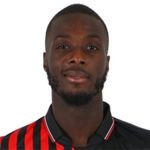
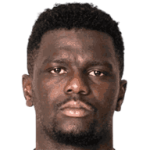
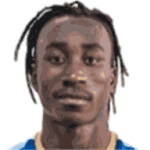
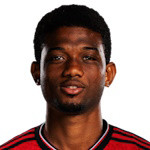
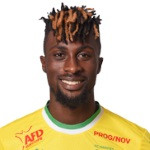
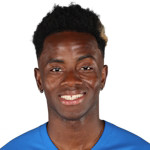
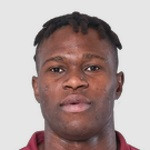
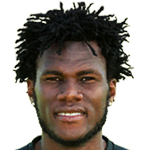
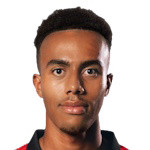
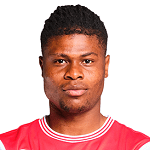
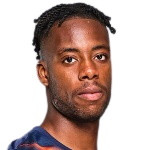
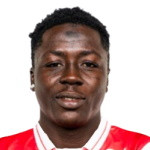
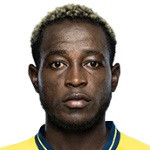
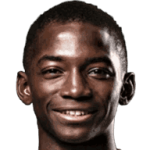
The attack runs through Yan Diomande, the RB Leipzig left winger whose 13 goals and 9 assists from 6.6 xG in 36 appearances suggest a finisher outperforming his chances rather than relying on volume; his 130 dribbles point to a player who creates his own shots. On the opposite flank, Amad Diallo arrives in a thinner goal-scoring vein — 2 goals and 3 assists for Manchester United against 5.6 xG across 33 games — but the underlying numbers (56 shots, 43 key passes) indicate involvement that has yet to convert, and Côte d'Ivoire will hope the international stage shifts that. The spine belongs to Ibrahim Sangaré, whose 85 tackles, 34 interceptions and 185 ball recoveries in 43 Nottingham Forest outings define the screen in front of the back four. Behind him, Evan Ndicka anchors central defence with 66 interceptions and 100 aerials won across 3,477 minutes at Roma — the durability that lets the full-backs, particularly Guela Doué, push forward.
Predicted XI


Form going into the tournament
Emerse Fae's 4-3-3 is built around aggressive wide play and a midfield triangle that lets the wingers stay high. Sangaré anchors behind Kessié and Christ Inao Oulaï, freeing the full-backs — Guela Doué especially — to push into advanced channels and overload the flanks alongside Yan Diomande and Amad Diallo. The defensive line sits relatively high, with Ndicka stepping out to break lines and Kossounou covering across; pressing triggers come from the front three rather than a full team chase, and transitions are direct, often funneled through the right. Two questions linger. The centre-forward role belongs to Bonny but isn't settled, and depth at left-back is thin enough that any injury to Konan forces an awkward reshuffle.
Team form
The opener against Ecuador, ranked 23rd, sets the tone: a side stylistically similar in athleticism and structure, and probably the match that decides whether Côte d'Ivoire advance with room to spare or sweat on the final round. Germany, 10th in the FIFA list, is the obvious group benchmark and a likely points concession unless the midfield holds territory. Curacao, 82nd, is the fixture they must win, with goal difference potentially in play. Assuming progression as runners-up or a strong third, the model projects a Round of 32 exit against a side of Norway's calibre (31st), though the actual bracket depends on other groups' permutations. A quarter-final would be genuine overachievement; anything beyond the last 32 counts as success, while a group exit would register as clear disappointment.
Country-form leaders










Club-form leaders



Group stage
Group fixtures