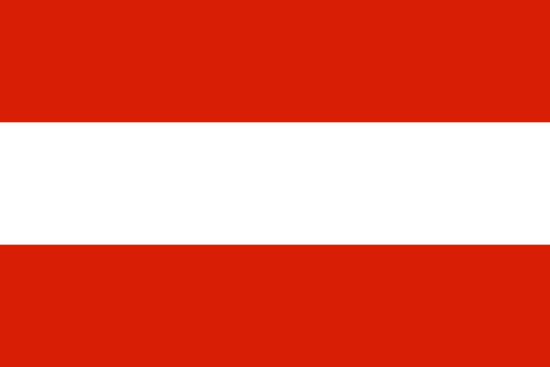
Ralf Rangnick's third year in charge has reframed what Austria expect of themselves. The German coach, whose reputation was built on the high-pressing, vertical football that shaped a generation of Red Bull sides, took the job in 2022 and has since dragged Austria up to 24th in the FIFA rankings — modest in isolation, but striking for a nation whose tournament history is mostly absence. This is only a second World Cup appearance since 1998, and the first since the 1990 group-stage exit. Qualification was navigated with relative comfort. The brief is no longer simply to arrive; it is to stay beyond the group.
Key players



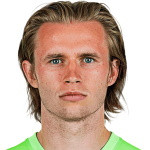
Konrad Laimer's reinvention as a marauding right back gives this side much of its drive: 3 goals and 12 assists in 46 appearances for Bayern, alongside 86 tackles and 155 ball recoveries, capture both the engine and the end product Rangnick relies on. Ahead of him, Romano Schmid is the squad's most consistent creator, with 89 key passes and 17 big chances created from the right of the front three at Werder Bremen, supplementing 4 goals and 8 assists with a healthy 7.3 xG. At the back, Kevin Danso anchors the central pairing after a season at Tottenham in which he won 163 duels and 104 aerials across 36 matches, the kind of contact numbers Austria will need against Argentina's forwards. Christoph Baumgartner's 18 goals and 16.2 xG for RB Leipzig make him a serious option in reserve, though he sits behind Gregoritsch in the predicted lineup rather than displacing him.
Predicted XI


Form going into the tournament
Rangnick's imprint is unmistakable: a nominal 4-2-3-1 that morphs into something far more vertical out of possession, with coordinated pressing triggers high up the pitch and a defensive line pushed aggressively into the opposition half. Build-up runs through Nicolas Seiwald as the deeper pivot, freeing Konrad Laimer to bomb forward from right-back — effectively a third midfielder when Austria have the ball — while Romano Schmid drifts inside off the right to overload the half-spaces. The open questions are familiar. The number ten role is genuinely contested, with Christoph Baumgartner's goal threat pressing the case against more orthodox options. And the system's vulnerability is structural: that high line invites runners in behind, and the centre-back depth behind Kevin Danso and David Alaba looks thin against pace.
Team form
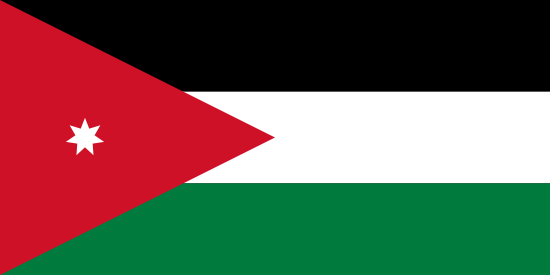
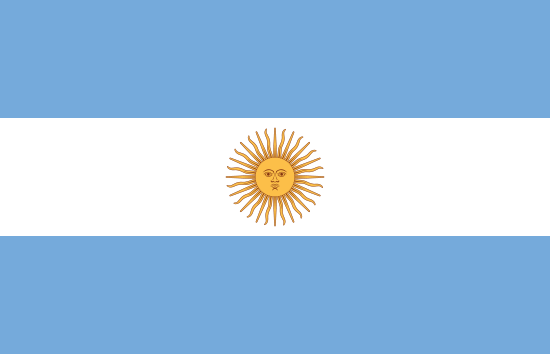
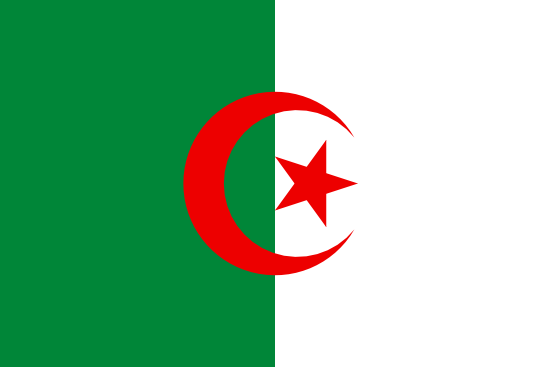
Group J opens with Jordan, ranked 63rd by FIFA and a fixture Austria are expected to win to set the tone on 17 June. Five days later comes the genuine measuring stick: Argentina, ranked 3rd, where a draw would already feel like an overachievement and defeat needn't derail qualification. The closer against Algeria, 28th and only four places below Austria, looks like the true decider for second place and seeding. Beyond that, the model projects a Round of 32 exit, with Austria on a probable collision course with Spain, ranked 2nd — though the actual bracket depends on final group standings and third-place permutations across the expanded format. Success here means navigating the group and pushing a top seed in the first knockout round; disappointment would be failing to clear Algeria and going home at the group stage.
Country-form leaders













Club-form leaders








Group stage
Group fixtures