Tony Popovic inherited the Socceroos in September 2024 with a brief that extended beyond qualification: rebuild an identity that had drifted since Graham Arnold's exit, and do so without the spine that carried Australia to the round of 16 in Qatar. A former captain whose coaching reputation was forged at Western Sydney Wanderers and Perth Glory, Popovic favours structure and defensive discipline over expansive risk. Sitting 27th in the FIFA rankings, Australia arrive at a sixth straight World Cup ranked roughly where they were before 2022 — a generation removed from the Kewell-Cahill peak, and quietly outperforming the modest expectations attached to this cycle.
Key players



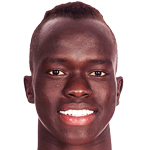
Jordan Bos is the most productive name on this list, and the numbers explain why Australia have shifted him into a more advanced role: four goals, nine assists and 46 key passes in 35 appearances at Feyenoord, with 11 big chances created and 86 tackles to underline that he still defends his flank. Alongside him, Alessandro Circati anchors the back line at 22, the Parma centre-back logging 47 tackles, 28 interceptions and 144 duels won across 2,831 minutes — rare volume for a defender in a relegation fight. Further forward, Cristian Volpato is the squad's purest creator. In just 1,162 minutes for Sassuolo he produced two goals, four assists, 27 key passes and seven big chances created, with 29 successful dribbles hinting at the between-the-lines threat Tony Popovic has lacked. Jackson Irvine offers the senior ballast in midfield, while Harry Souttar, restricted to 178 minutes at Leicester, sits in reserve behind Circati and Burgess.
Predicted XI


Form going into the tournament
Popovic's 4-3-3 is built around organisation rather than sustained territorial control, with a mid-block that compresses central lanes and invites pressure onto the full-backs before springing forward through the channels. The back four sits relatively deep, Circati and Burgess pairing a left-footer with a right-footer to balance distribution, and Mat Ryan trusted to start moves rather than launch them. The midfield trio is asymmetric: a holder screening the centre-backs, Irvine shuttling box-to-box, and a more advanced creator feeding Volpato off the right. Two questions linger. The left-back slot is genuinely contested, with Bos arguably the squad's most progressive defender yet penciled in on the right in the predicted XI. And the striker position remains the thinnest area, leaning heavily on Mohamed Touré's untested international profile to lead the line.
Team form
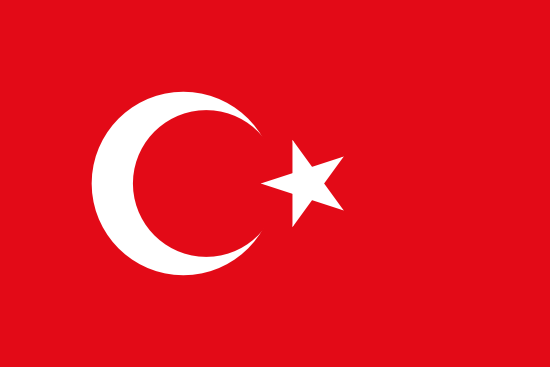
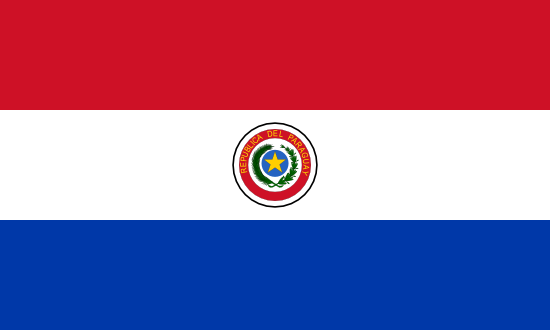
Group D offers a clear hierarchy of threat without an obvious free hit. The opener against Türkiye, ranked 22nd, is the swing fixture: a side narrowly above Australia in the FIFA list and the one most likely to dictate whether four points feels achievable. The United States at 16th, on home soil in the middle game, is the hardest assignment and probably the match that decides second place. Paraguay, 40th and the lowest-ranked of the trio, is the fixture Australia must win to have any realistic shot at progression. The model's call is elimination at the group stage, and that reflects the gap to the top two seeds more than any collapse scenario. Success here means a knockout berth via any route; disappointment is finishing bottom without a win.