Julen Lopetegui takes Qatar into their second World Cup with the kind of CV — Spain, Real Madrid, Sevilla, Wolves — that no previous Qatari coach has carried, and his appointment signals an attempt to graft European structure onto a side that has spent the last decade defined by Félix Sánchez's possession-based academy model. That generation, back-to-back Asian Cup winners, hosted the 2022 tournament and lost all three group games; this is their first qualification on sporting merit, and at 55th in the FIFA rankings they arrive as the lowest-ranked side in Group B. Lopetegui's brief is narrow but real: make Qatar competitive, not merely present.
Key players

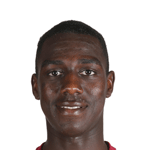
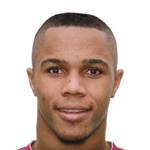
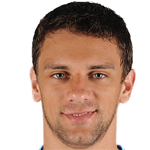
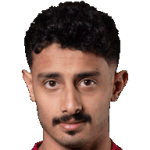
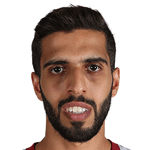
Akram Afif is the engine of everything productive about this team. The Al Sadd winger has 14 goals and 17 assists in 31 appearances this season, with 123 key passes and 21 big chances created — numbers that explain why Qatar's attacking shape is built to feed him on the left. Behind him, Pedro Miguel anchors the back line out of the same club, and his profile is unusually well-rounded for a centre-back: 35 tackles, 21 interceptions and 52 aerial duels won across 25 games, with two goals and four assists added from set pieces and stepped-in passes. In midfield, Assim Madibo offers the screen the system needs. The Al Gharafa man has logged 44 tackles in just 12 league appearances, a rate of ball-winning that matters when Qatar are pinned back. Boualem Khoukhi alongside Pedro Miguel and 22 interceptions of his own give the spine some continuity, but Afif remains the player opponents will plan around.
Predicted XI


Form going into the tournament
Lopetegui's 4-2-3-1 is built around containment and quick release down the left. Assim Madibo and Ahmed Fathi form a screening double pivot that lets the back four — anchored by Pedro Miguel and Boualem Khoukhi — sit in a mid-block rather than chase a high line, with pressing triggers reserved for wide areas. Build-up is patient and funnels through Hasan Al-Haydos between the lines, whose job is to find Akram Afif isolated against the opposing full-back. Two questions remain. The right side of attack is the contested berth, with Ahmed Al-Ganehi penciled in but far from settled, and central striker remains the thinnest position in the squad, leaving Mohammed Muntari with little credible cover. The system also leans heavily on Afif's left-sided creation; neutralise that channel and the attack narrows considerably.
Team form
Group B offers a clear hierarchy of difficulty, and Qatar enter ranked 55th with little margin for error. The opener against Switzerland, 36 places higher at 19th, is the steepest ask — a side Qatar will likely face deep in their own half, hunting for something on the counter. Canada, ranked 30th, arrive five days later in what shapes as the pivotal fixture: athletically demanding but closer to Qatar's level, and probably the one that decides whether a knockout push is alive. The closer against Bosnia and Herzegovina, 65th and the only lower-ranked opponent, is winnable and may need to be won by multiple goals. The model's call is elimination at the group stage, with any knockout berth dependent on third-place math. Success means four points and genuine contention; disappointment is exiting pointless.
Country-form leaders





Club-form leaders


Group stage
Group fixtures