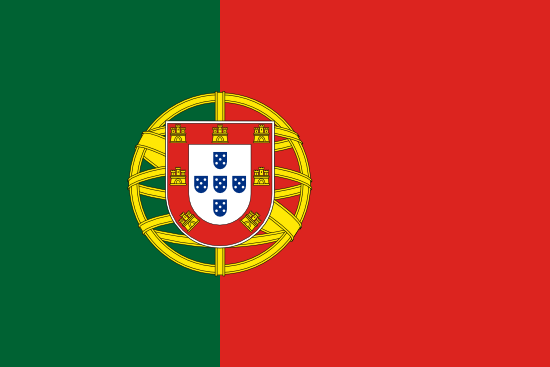
Roberto Martínez arrives at his second tournament with Portugal carrying the weight of a federation that grew impatient with Fernando Santos and gambled on a coach whose Belgium project ended without silverware despite a golden generation. The Spaniard's brief was clear: extract more possession control and pressing structure from a squad that has reached only one major semi-final since Euro 2016, and never gone beyond the quarter-finals at a World Cup in this century. Ranked fifth by FIFA, Portugal land in 2026 as perennial dark horses rather than favourites — a status the federation, and Martínez, are increasingly uncomfortable accepting.
Key players



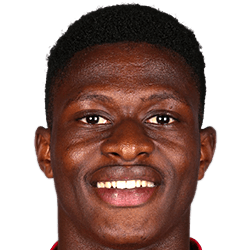
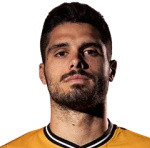
Bruno Fernandes is the engine of the creative work, his Manchester United campaign yielding 9 goals and 22 assists with 11.2 xG and 143 key passes across 37 appearances — numbers that explain why so much of Portugal's build-up runs through him. Behind him, Vitinha offers the controlling counterweight from deeper midfield: the Paris Saint-Germain man logged 53 tackles, 50 interceptions and 245 ball recoveries in 48 outings, while still contributing 7 goals and 9 assists, a rare two-way profile at the base. The third pillar is Nuno Mendes, whose left flank doubles as an attacking lane; 6 goals, 7 assists and 59 dribbles in 39 games for PSG are paired with 56 tackles and 189 duels won, evidence of a full-back who genuinely operates at both ends. Pedro Neto's 11 goals and 11 assists at Chelsea make him a serious option in reserve, behind Bernardo Silva in the pecking order on the right.
Predicted XI


Form going into the tournament
Martínez sets Portugal up in a 4-2-3-1 built around midfield control rather than sustained pressing. Vitinha and João Neves form the double pivot, with Vitinha as the deeper rotator who steps into the back line during build-up and frees Cancelo and Nuno Mendes to push high — a structure that often resembles a 3-2-5 in possession. Bruno Fernandes operates as the central creator behind Ronaldo, with Bernardo Silva drifting inside from the right to overload the half-spaces. The press is selective, triggered on wide passes rather than goalkeepers, and the defensive line sits mid-block deep against quicker opponents. Two questions linger: the right wing slot, where Bernardo, Pedro Neto and Conceição all have claims, and the exposure of an advanced full-back pair if transitions are lost centrally.
Team form
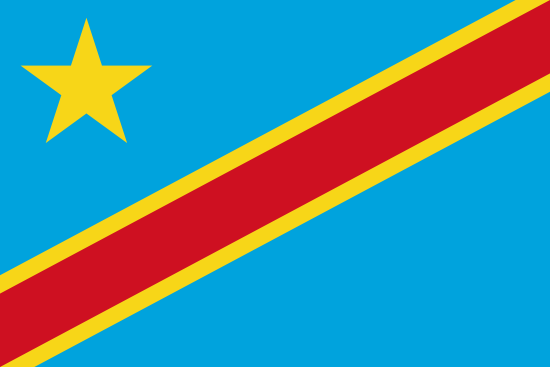
Group K opens against Congo DR (46th) and Uzbekistan (50th), two fixtures Portugal should navigate without alarm, before the genuine measuring stick arrives in Colombia (13th) — a side capable of dictating tempo and exposing any complacency in the second line. Seeding from there shapes everything, and the bracket beyond depends on group order and the third-place permutations, but our model projects a Round of 32 meeting with Ghana (74th), then a likely R16 tie against Ecuador (23rd) before the weight class jumps sharply: a probable quarter-final against Argentina (3rd), a semi-final collision with Brazil (6th), and a projected final against Spain (2nd). The model's call is the Final itself. Anything from the semi onward reads as success; exiting before the quarters would count as a clear disappointment.